A Guide to UID Labels for Military Assets
The success of a military contract depends on meeting all specifications for Unique Identification (UID) labels, especially given the complex requirements of MIL-STD-130 for asset identification. UID labels act as permanent tracking markers that improve inventory management, supply chain logistics and asset readiness for the government. This means you need to get things right the first time to prevent project delays, budget overruns and rejected shipments.
American Nameplate is your trusted partner for quality, compliant label manufacturing. We provide you with the information you need to ensure UID compliance, select the right materials for durability and streamline your UID project.
What Is MIL-STD-130 and UID Labeling?
Compliance with regulations is the foundation for a successful project. MIL-STD-130 is a United States Department of Defense (DoD) standard that establishes the exact criteria and data requirements for military equipment identification nameplates. It helps ensure a unified identification system for military property, allowing the DoD to track assets throughout their life cycle, from acquisition to disposal.
UID identification serves as a fingerprint, assigning a globally unique, lifetime serial number to each individual asset. Once an item is successfully marked and scanned, its UID is registered in the DoD’s Item Unique Identification (IUID) Registry. This centralized database stores information such as purchase date, price, repair history and physical location.
For the Defense Contract Management Agency (DCMA), the IUID Registry offers a complete audit trail for end items, parts and Government Furnished Property (GFP). Proper identification is a requirement that supports defense logistics and asset management.
Key Requirements for Military UID Asset Labels
To comply with MIL-STD-130, manufacturers and suppliers must adhere to strict regulations. Under the DoD Procurement Toolbox guidelines, you are required to apply UID labels to any DoD-acquired items that meet any of the following criteria:
- Cost $5,000 or more
- Are serially managed
- Are mission-essential or controlled
- Are part of a critical repair item
Here are the core technical mandates for project success:
Human-Readable Information (HRI)
Including HRI information on nameplates for military equipment provides essential backup when automated scanners fail. Depending on the contract and the specific UID Construct, the label must display the following text elements:
- Enterprise identifier: The issuing organization’s Commercial and Government Entity (CAGE) code or Data Universal Numbering System (DUNS) number.
- Unique Item Identifier (UII): The globally unique string that distinguishes the discrete item.
- Part Number (P/N): The manufacturer’s part number.
- Serial Number (S/N): The unique serial number of the asset.
Machine-Readable Data (MRD)
Asset labels need a 2D Data Matrix barcode encoding a globally Unique Item Identifier (UII). The encoded data elements are joined into up to 50 characters and will vary depending on the UID Construct type. Data Construct #1 uses the enterprise-identified code combined with a serial number, while Construct #2 uses the enterprise identifier, original part number and serial number.
Bar codes must follow strict data matrix symbol and syntax requirements, as well as character set, physical and quality guidelines. American Nameplate’s experts remove the guesswork by ensuring the correct data constructs and formatting for your specific assets.
Permanence and Legibility
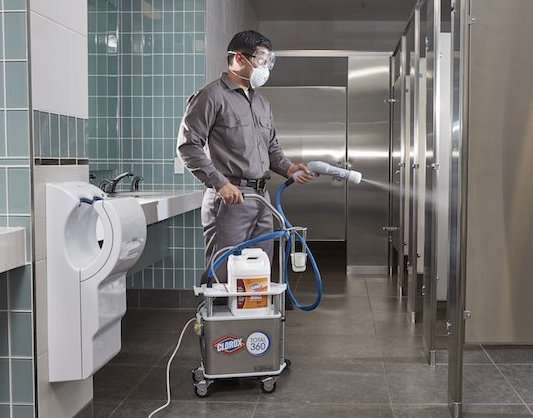
MIL-STD-130 labels must remain attached and legible throughout the asset’s life. They need to endure all expected environmental stressors and cleaning procedures for the asset. You must choose the right marking methods and materials that will outlast or match the expected life expectancy of the host equipment.
Recommended Materials for Maximum Durability
Selecting the right material is essential to ensure durability and compliance. You need to consider the asset’s operational environment and intended use to match the material to the mission.
Matching the material’s properties directly to the worst-case environmental stressors ensures long-term legibility and scannability. Some key factors to consider include:
- Environmental and operating conditions: Identify if the asset will operate in indoor environments, rugged industrial sites or extreme environments with high temperatures or corrosive chemical exposure.
- Host material and adhesion: Consider the surface to which the label will be applied. High-energy surfaces hold adhesives well, but low-energy plastics require specialized, high-tack acrylic adhesives. If the surface is curved or highly uneven, flexible materials may be required.
- Moisture and humidity: Assess exposure to water, rain, humidity or saltwater. Labels must be corrosion-resistant and attachment methods must withstand constantly wet or humid conditions.
Photo-Sealed Aluminum for Durable High-Resolution
Photo-sealed aluminum nameplates embed an image, text or barcode within an anodized aluminum layer, which is then sealed. This process creates a highly durable and scratch-resistant surface that maintains legibility over a long period of time. Photo-sealed aluminum is resistant to abrasion, chemicals and extreme temperatures.
Photo-sealed aluminum offers excellent resolution for high-detail text or schematics. It is best for assets requiring high-resolution data and long-term durability, such as vehicle components, electronic equipment and tools that are frequently handled or exposed to harsh industrial environments.
Stainless Steel for Extreme Environments
Our solid stainless steel nameplates are laser-etched or stamped. These durable nameplates offer exceptional resistance to corrosion, high temperatures, harsh chemicals and physical impact.
Stainless steel nameplates are ideal for marine environments, equipment exposed to saltwater, high heat or corrosive chemicals. Stainless steel nameplates are also ideal for assets that undergo frequent decontamination, such as those found on ships or in certain weapon systems.
Vinyl for Curved or Unique Surfaces
Vinyl is a flexible, adhesive-backed film material. Marking methods often include printing with durable inks and laminating for extra protection. Vinyl labels conform to irregular or curved surfaces, come in various adhesive strengths and offer a cost-effective solution. Vinyl also provides good resistance to moisture, mild chemicals and UV exposure.
Vinyl labels work best for assets with curved surfaces, such as pipes, cables and certain weapons. This material is also ideal for equipment that may require frequent label changes, indoor applications where extreme durability is not the primary concern, or any asset that needs a lightweight labeling solution.
How to Ensure Your UID Labels are Scannable and Compliant
Compliance is about more than quality and readability — it requires printing a well-structured code. The main purpose of a UID label is to enable consistent and accurate tracking and management. Military operations often require rapid and accurate data capture in various conditions, making readability key for mission readiness.
To ensure the quality and readability of a Data Matrix barcode, a specialized tool called a verifier is essential. A verifier acts as a quality control gate, ensuring that UID label data is robust, readable and ready to perform its function reliably throughout its operational life.
American Nameplate uses state-of-the-art verification equipment to test and validate every batch of UID labels for military assets. Our teams measure and grade the barcode’s quality against universally recognized standards. This verification process helps you identify and correct issues before the application and ensure your parts and shipments are accepted.
Key Considerations for Smooth UID Implementation
Project planning helps you anticipate common pitfalls and streamline UID implementation. Here are some key factors to keep in mind for your UID label project:
- Mapping your data management strategy: Before placing an order, map out your serialization process. A clear data plan helps you generate, track and supply the unique identification data for each individual asset.
- Vetting supplier expertise: Ask potential suppliers for documented experience with MIL-STD-130. Look for material and military specification certifications and a robust, internal quality verification process to ensure every label is scannable and compliant before it ships.
- Aligning production with your timeline: UID labels are often one of the final components applied before delivery. Clarify a potential supplier’s standard lead times from the very beginning. Inquire about their production capacity and if they offer concrete, guaranteed rush service options to mitigate the risk of unforeseen schedule changes.
The American Nameplate Advantage
American Nameplate is the premier choice for your UID label project. We have been serving the product identification needs of OEM providers, brokers, distributors and manufacturer reps since 1934. Our custom military labels, nameplates and decals are designed to withstand rough conditions and comply with a wide range of military specifications, including MIL-STD-130. Our decades of experience translate into comprehensive support across every phase of your UID project:
- Unmatched customization and precision: We adapt to your requirements, offering premium solutions for when precision is nonnegotiable. We offer waterjet cutting for specialty sizes and custom tooling for high-quantity runs requiring tight tolerances (+/- .005″).
- Dedicated partner: We help determine the most cost-efficient production method for any design and accommodate small, medium or large runs. Our services include blind shipping directly to end-customers for brokers and contractors.
- Guaranteed compliance: We provide material certifications and MIL-specification certifications upon request. Our products meet FM, Intertek and UL compliance standards for projects with overlapping requirements.
- Fast, reliable turnaround: Our turnarounds are one of the fastest in the business, typically two to three weeks. For urgent needs, our Eagle Express service offers shipment within three working days for repeat orders or six working days for new parts at a premium price.
Request a Quote for Your UID Project
Compliance is complex, but American Nameplate makes it simple. Request a quote today and ensure your project meets MIL-STD-130 requirements from the start. Provide your project specs, and our UID experts will contact you to discuss your requirements and provide a detailed, no-obligation quote. If you want more information, ask us a question, and we’ll get back to you.